In Fujieda City, Shizuoka Prefecture, ramen is also a morning food. At shops that open around 7 a.m., people order a hot bowl and then a cold bowl. Locals call it “Asa-ra” (short for asa ramen, “morning ramen”). It is this town’s breakfast.
Many shops close when the soup runs out, so they are often finished soon after noon. This article is for people visiting Fujieda for the first time. It explains why Asa-ra started, how to order, when to go, where to eat, and what to do after you eat.
What Is Fujieda’s Morning Ramen (Asa-ra)?
Asa-ra is the local custom in and around Fujieda of eating ramen in the morning. Eating a hot bowl and a cold bowl, one after the other, is said to be the style found only in Fujieda.
A Custom Born in a Tea Town
Fujieda is one of the top tea-growing areas in Shizuoka Prefecture. In the new-tea season, tea farmers and tea traders work from before dawn. After finishing their early-morning trading, they began to line up outside ramen shops because they were hungry. Fujieda City says that the shop owner saw this and started opening earlier, and that is how Asa-ra began.
There are several stories about how it started. A kamishibai (picture-card story) supervised by the citizens’ group “Fujieda Asa-ra Bunka Kenkyukai” (Fujieda Asa-ra Culture Research Group) shows it this way: in the 1970s, a shop owner saw a line of tea buyers and opened his shop earlier.
Marunaka, Said to Be Where It All Began
Marunaka in Shida, Fujieda City, is said to be the birthplace of Asa-ra. It opened in 1919 (Taisho 8) and has been in business for more than 100 years. Even today it is self-service. You buy a meal ticket, and when your number is called, you pick up your bowl at the counter.
The “Shida-kei” Taste
Ramen that follows Marunaka’s style is called “Shida-kei” (Shida style), named after the area. Shida is the old Shida District, which covers parts of Fujieda City, Yaizu City, and Shimada City.
- Soup: Soy sauce soup made with seafood dashi and little fat. It is a little sweet and light on the stomach, even in the morning
- Noodles: Smooth and easy to slurp
- Hot and cold: For the cold bowl, the noodles are rinsed in cold water and served in a sweet, cold soup
Today, more shops serve Asa-ra that is not Shida style, such as pork bone (tonkotsu) or dried sardine (niboshi) ramen. Even so, many shops offer both hot and cold.
How It Differs from Kitakata’s Morning Ramen
Kitakata in Fukushima Prefecture is also known as a town where people eat ramen in the morning. What makes Fujieda different is eating two bowls, hot and then cold. You will rarely see this in other towns, so please try it in Fujieda.
How to Order and Eat Asa-ra
If you are not sure, order hot and cold together. Eat the hot one first.
Order Hot and Cold Together
At many shops, if you order both at the start, they bring the cold bowl when you are almost done with the hot one. Some shops let you order both together as an “Asa-ra set”.
The cold ramen was first a menu item for customers who wanted something cold on hot days. Shida-style ramen is light, so people found they could also eat a cold bowl after the hot one. People say this is how eating two bowls became the custom.
Hot First, Then Cold
The cold soup has its own sweetness. If you eat it first, it is harder to taste the dashi in the hot soup. The shop owners also tell people to start with the hot one.
How to Enjoy the Cold Ramen
People say the hot bowls are quite similar from shop to shop, but the cold bowls show each shop’s own style. Some shops serve them with wasabi or red pickled ginger. If you mix in a little wasabi, it tastes closer to soba. If you visit several shops, compare the cold bowls to see the differences easily.
Good to Know for First-Timers
- Meal tickets and self-service: At some shops, you buy a meal ticket, and when your number is called, you pick up your bowl at the counter
- Payment: Some shops take cash only. It is safest to bring cash
- Reservations: Usually you cannot reserve. You wait in line and enter in the order you arrive
- One bowl is fine: If two bowls are too much, one bowl, hot or cold, is fine
6 Popular Shops for Asa-ra in Fujieda
For your first time, go to Marunaka, where it began, or to the Shida-style shops Ikedaya or Mugi. If you want to try other kinds of Asa-ra, add Chikkin, which serves dried sardine ramen.
| Shop | Type | Good for |
|---|---|---|
| Marunaka | Shida style (the original) | Trying the original taste |
| Chuka Soba Ikedaya | Shida style | Starting very early |
| Shina Soba Dokoro Mugi Fujieda | Shida style | Taking time with fish-dashi hot and cold bowls |
| Chikkin | Dried sardine (niboshi) style | A different taste at your second shop |
| Morishita Soba-ten | Chuka soba from a soba shop | Fans of a clean soy sauce taste |
| Ramen Shokudo Rengeji | Mixed fish flakes | Pairing with Rengeji-ike Park |
Opening hours and closed days may change. Before you go, check each shop’s official website or social media.
Marunaka The Shop Where Asa-ra Began
An old shop that opened in 1919. It is said to be where Asa-ra began. The menu has chuka soba, cold ramen, and chashu-men (ramen with sliced pork). The cold ramen is served all year.
It is self-service with meal tickets, and you can buy tickets with cash only. Hand over your ticket and tell them your seat number. When your bowl is ready, they call your number.
- Address: 3-1-24 Shida, Fujieda City
- Official website: marunaca.com
Chuka Soba Ikedaya Shida Style from 7 a.m.
A Shida-style shop that opens at 7 a.m. It is open until 2 p.m., but on some days it closes earlier.
- Address: 43-12 Izumicho, Fujieda City
Shina Soba Dokoro Mugi Fujieda Soup Made Only from Fish Dashi
Opened in 2010. The menu has almost only two items, shina soba and cold ramen, plus an Asa-ra set with both. The soup uses no pork or chicken. The dashi is made only from fish. The noodles are made in the shop.
It opens at 7 a.m., and some people line up before it opens.
- Address: 3-6-10 Tanaka, Fujieda City
Chikkin Asa-ra with Dried Sardines and Kelp
This shop is introduced as “non-Shida style”, different from Shida style. Its signature dish is “120% Niboshi Ramen”. It uses no animal ingredients other than fish. The dashi is made only from dried sardines and kelp. The noodles are also made in the shop.
It opens at 7 a.m. It is closed on Sundays and in the evenings. People say many customers come right after it opens, and then visit two or three more shops.
Morishita Soba-ten Chuka Soba from a Soba Shop
Chuka soba made by a soba shop. It is open from the morning. The soy sauce taste is clean and light. The shop’s area is called “Chamachi” (tea town), a fitting name for a tea town.
- Address: 4-19-1 Chamachi, Fujieda City
Ramen Shokudo Rengeji Asa-ra Next to the Park
This shop is near Rengeji-ike Park. Asa-ra is served from 7 a.m. to 10 a.m., and the shop uses its own mix of fish flakes. After eating, you can walk straight to the park.
- Address: 1-2-34 Nyakuoji, Fujieda City
More Asa-ra Shops
If you like a strong taste, try “Hatassashi-ya Fujieda”, which serves pork bone ramen from the morning. There is also “Maruriki Ramen Shop”, which serves green onion ramen and chashu-men from 7 a.m. The Fujieda City Tourism Association’s Fujieda Morning Ramen special website lists more shops, along with interviews with the owners.
When to Go: Opening Times and Tips to Avoid Crowds
It is easiest to get in on weekdays from around 9 a.m. to 10 a.m. The earliest shops open at 7 a.m. and close soon after noon.
- Opening: From 7 a.m. to around 8:30 a.m. At some shops, people line up before opening
- Best time: About one hour after opening, or between 9 and 11 a.m.
- Weekends and holidays: Often crowded all day. Give yourself plenty of time
- Closing: Many shops close when the soup runs out. If you go at noon, they may already be closed
- Closed days: Some shops close on Sundays or holidays. Check before your trip and plan around it
Spending Time in Fujieda After Asa-ra
When you finish your Asa-ra, it is still morning. Visit places that show Fujieda as a tea town, and you can enjoy the city in half a day.
Take a Walk in Rengeji-ike Park
A park with a large pond in the city. Walking once around the pond is just right after a big meal. In spring, cherry trees surround the pond and boats float on the water. If you eat Asa-ra at Rengeji, you can walk there directly.
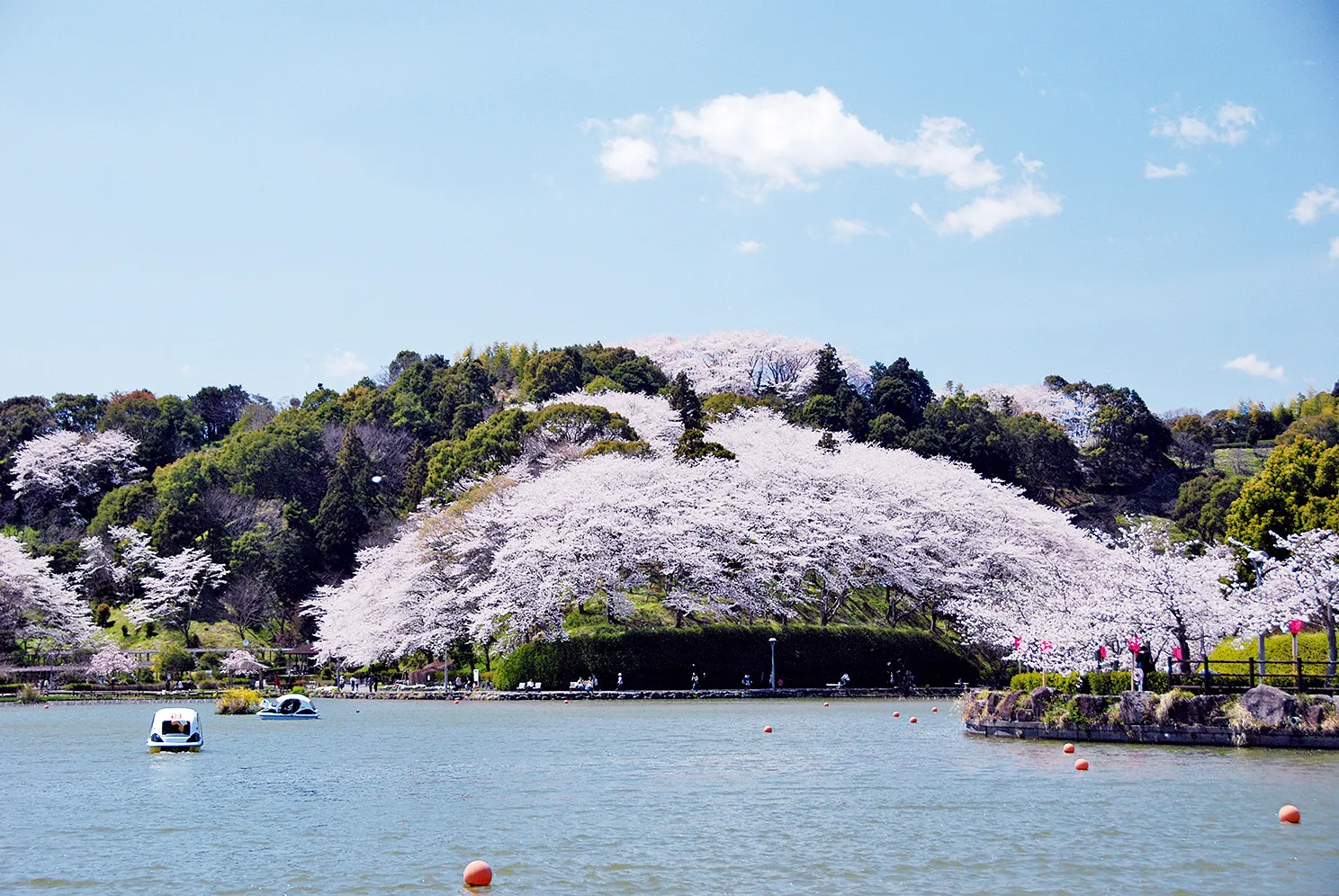 Photo: Fujieda City
In the park, “Tongaribo” is a center for tea culture. It uses the building of the former Fujieda tea trading house. If you want to learn about the town’s history, you can also visit the Fujieda City Provincial Museum and Literary Museum. Before you go, check the opening hours on the museum’s official website.
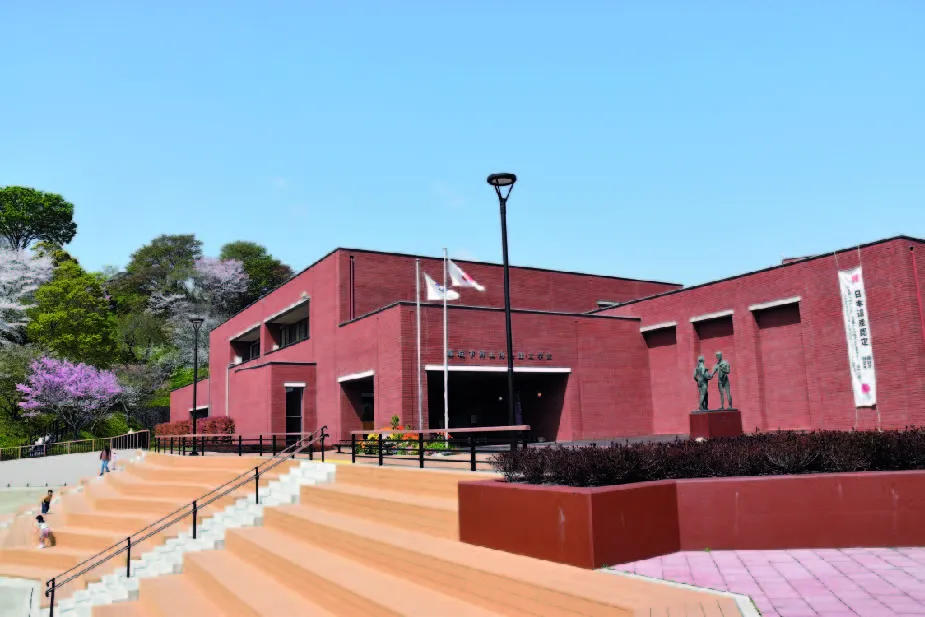 Photo: Fujieda City
A Cup of Tea at Gyokuro No Sato
Asa-ra was born from the work of the tea trade. After eating, go a little farther to Gyokuro No Sato Roadside Station in the Okabe area, where the high-grade tea “gyokuro” is grown. At the tea room “Hyogetsu-tei”, which faces a pond, you can slowly enjoy gyokuro with Japanese sweets.
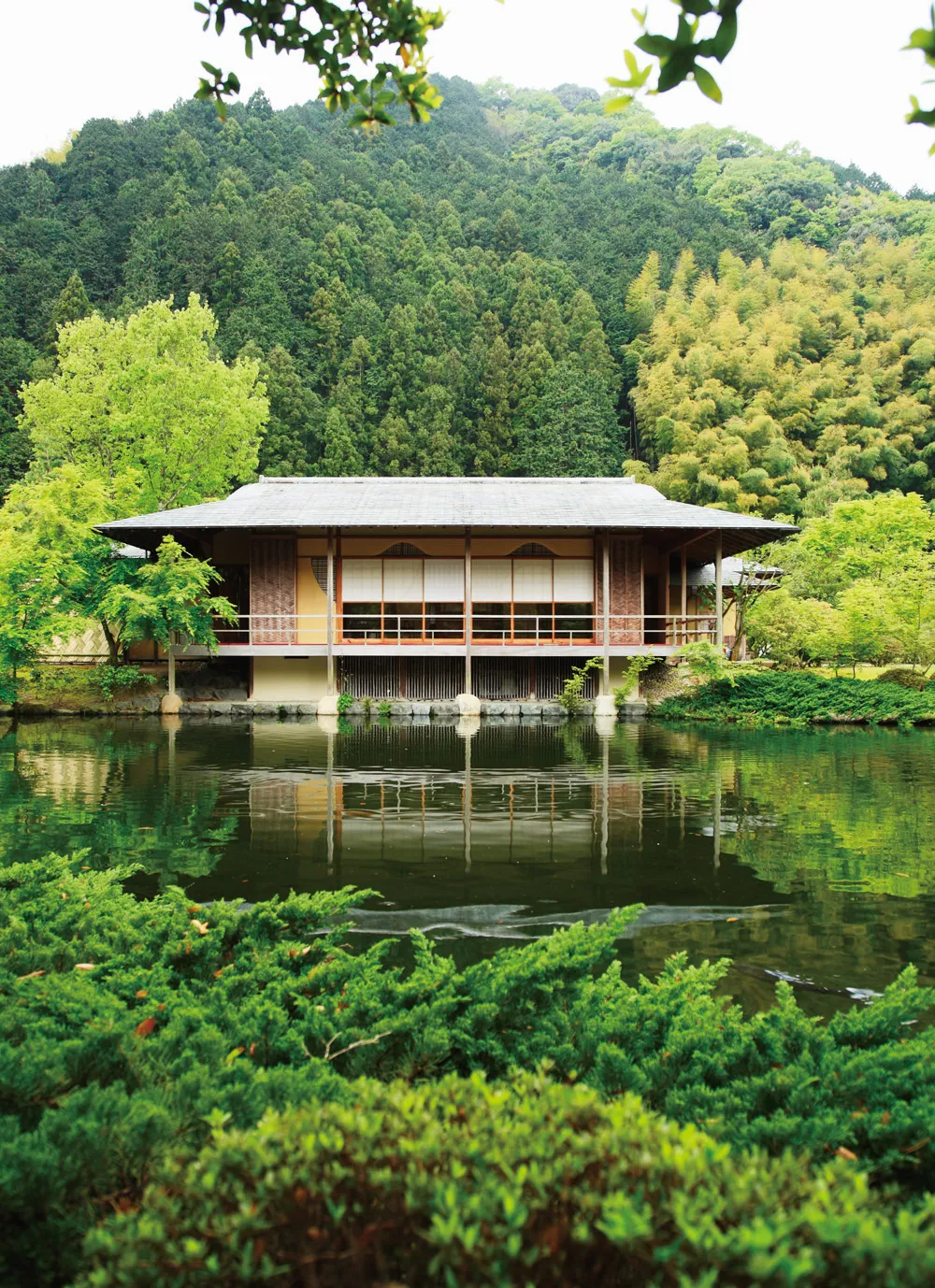 Photo: Fujieda City
Walk Through an Old Tokaido Post Town
Okabe, where Gyokuro No Sato is, was a post town on the Tokaido road. At “Ō-hatago Kashiwaya”, an old inn from the Edo period, you can see what inns were like at that time.
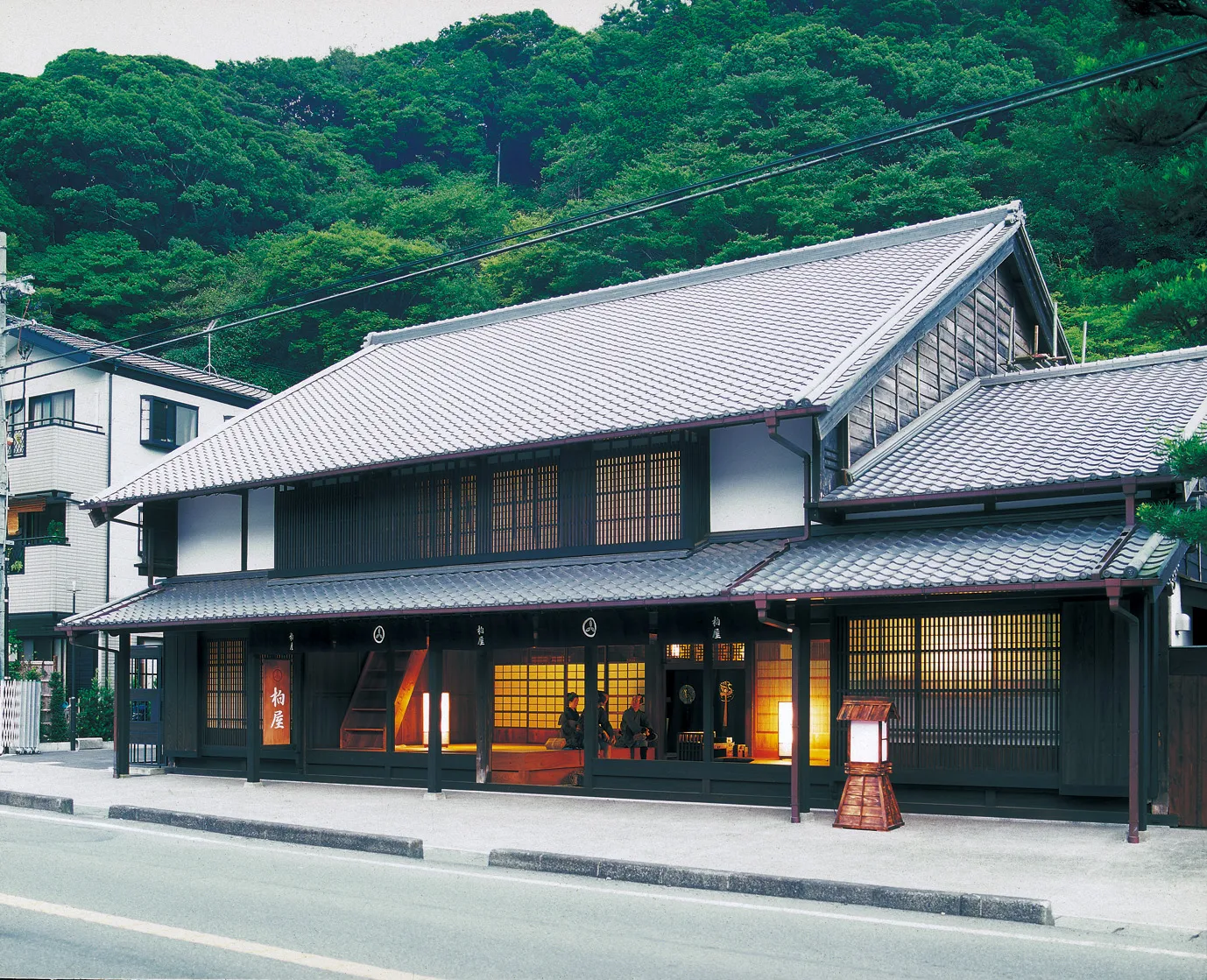 Photo: Fujieda City
A Sample Half-Day Plan
Times are a guide only. Go from the park to Okabe by car.
- 8:00 Asa-ra (hot and cold)
- 9:30 Walk in Rengeji-ike Park
- 11:00 Go to Okabe and have tea at Gyokuro No Sato
- 12:00 Ō-hatago Kashiwaya and the streets of Okabe-juku
- Afternoon Golf or a hot spring (see also our Shizuoka Golf Trip: 3-Day, 2-Night Sample Plan)
Getting There
From Tokyo, take the shinkansen to Shizuoka Station (about 1 hour). Change to the JR Tokaido Line and ride to Fujieda Station (about 20 minutes). From Shizuoka Airport, it is about 25 minutes by car.
- To arrive by the 7 a.m. opening, it is easier to stay the night before near Fujieda Station or in Shizuoka City
- Many shops are far from the station. Plan to travel by car or taxi
To Take Home as a Souvenir
You can buy “Fujieda Asa Ramen” dried noodles to make Asa-ra at home. You can make both hot and cold bowls. They are sold at places such as the Fujieda City Tourist Information Center, just outside the North Exit of JR Fujieda Station.
Place in this story Place in this story Fujieda City Tourist Information Center Tea, Sweets & Souvenirs · 1 min walk from JR Fujieda StationRead Next
- 5 Places to Eat and Visit in Fujieda, Shizuoka
- Shizuoka Golf Trip: 3-Day, 2-Night Sample Plan
- Fujieda City page